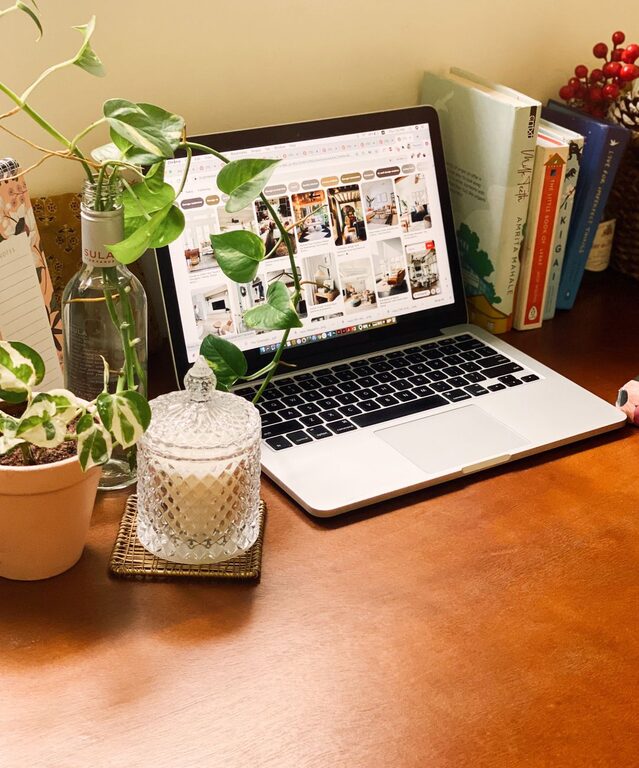

Creating a relaxing home workspace is essential for anyone who works from home or spends a significant amount of time at a desk. A well-designed workspace can improve focus, reduce stress, and promote a healthy work-life balance. Whether you have a dedicated room or a small corner, transforming your area into a calm and inviting environment doesn’t have to be complicated.
In this article, we’ll explore practical tips and ideas to help you create a relaxing home workspace that enhances both productivity and comfort.
Why a Relaxing Workspace Matters
Your workspace directly affects your mood and efficiency. A cluttered or noisy area can cause distractions and fatigue, while a peaceful and organized setup encourages concentration and creativity. By investing time in your workspace environment, you’ll find it easier to stay motivated and feel more energized throughout the day.
Choose the Right Location
Before you start decorating or organizing, consider where your workspace will be. The ideal spot has:
– Good natural light: Position your desk near a window if possible. Natural light reduces eye strain and elevates your mood.
– Minimal distractions: Choose a quiet corner away from household noise or high-traffic areas.
– Adequate space: Make sure you have enough room for your work essentials and some extra space to stretch or move.
If you don’t have a dedicated office, consider using room dividers or shelving to visually separate your workspace from living areas.
Prioritize Comfort and Ergonomics
Comfort is key to staying relaxed and avoiding physical strain. Here are some ergonomic tips:
– Choose a supportive chair: Look for adjustable chairs with good lumbar support.
– Desk height: Your desk should allow your arms to rest comfortably at about a 90-degree angle while typing.
– Monitor placement: Keep your screen at eye level to prevent neck and back pain.
– Use accessories: Consider using footrests, wrist supports, or keyboard trays to enhance comfort.
Breaking up long periods of sitting with short standing breaks and simple stretches can also refresh your body and mind.
Declutter and Organize
A cluttered desk can lead to a cluttered mind. Try these helpful methods:
– Keep only essentials on your desk: Store other items in drawers or shelves.
– Use organizers: Desk trays, pen holders, and cable management tools keep things tidy.
– Create a filing system: Sort papers and documents regularly to avoid piles.
– Digital declutter: Organize your computer files and inbox to reduce stress.
An organized space fosters calmness and helps you focus on your tasks without distractions.
Incorporate Soothing Colors
Colors influence how we feel. For a relaxing workspace, opt for:
– Soft neutrals: Shades like beige, gray, or light taupe create a serene atmosphere.
– Cool tones: Light blues and greens are known to have calming effects.
– Accent colors: Small pops of warm colors like soft yellows or pastel pinks can energize without overwhelming.
You can introduce color through wall paint, artwork, or office accessories like mouse pads and cushions.
Add Natural Elements
Bringing elements of nature inside can reduce stress and improve air quality. Ideas include:
– Houseplants: Low-maintenance plants such as succulents, snake plants, or pothos work well indoors.
– Natural materials: Use wood, wicker, or stone decorations to add texture.
– Nature-inspired art: Pictures or prints featuring landscapes or botanical themes can be visually calming.
Natural elements create a connection to the outdoors, enhancing tranquility in your workspace.
Control Lighting Wisely
Good lighting reduces eye fatigue and sets the right mood. Consider the following:
– Use soft, warm lighting: Avoid harsh overhead lights; instead, use desk lamps with adjustable brightness.
– Layer lighting: Combine ambient, task, and accent lighting to adapt based on time and activities.
– Reduce glare: Position screens and lamps to prevent reflection or direct light in your eyes.
If natural light isn’t sufficient, daylight-simulating bulbs are an excellent option to maintain energy throughout the day.
Minimize Noise Distractions
Noise can cause frustration and hamper concentration. To keep your workspace peaceful:
– Use noise-canceling headphones: Great for blocking out household or street noise.
– Play soft background music: Instrumental or nature sounds can help maintain focus.
– Soundproof the space: Add rugs, curtains, or wall panels to absorb sound.
– Communicate boundaries: Let family members know your work hours to minimize interruptions.
A calm sound environment supports sustained attention and relaxation.
Personalize Without Overcrowding
Adding personal touches makes your space feel welcoming but avoid clutter. Ideas include:
– Inspirational quotes or photos: Choose meaningful and uplifting images.
– Favorite mugs or stationery: A small collection adds personality without distraction.
– A cozy throw or cushion: Adds comfort and warmth during work hours.
Personalization boosts mood and can motivate you during busy days.
Maintain a Routine for Tidiness
Keeping your workspace relaxing requires regular upkeep:
– End-of-day clean-up: Take 5-10 minutes to organize before finishing work.
– Weekly deep clean: Dust and wipe surfaces, and check for clutter build-up.
– Seasonal updates: Refresh décor or rearrange to keep the space inviting.
A clean and orderly workspace makes it easier to start work with a fresh mindset.
—
Final Thoughts
Creating a relaxing home workspace is about balancing functionality with comfort. By choosing the right location, focusing on ergonomics, embracing calming colors, and adding natural elements, you can design a space that feels peaceful and inspiring. Remember to keep it organized and personalize it thoughtfully to make each workday a more enjoyable experience.
With these tips, your home workspace can become your sanctuary—a place where you can work productively while feeling relaxed and centered.
About the Author