
Creating a productive home office space can make a significant difference in your work-from-home experience. Whether you’re new to remote work or looking to improve your current setup, a well-designed workspace helps increase focus, reduce distractions, and support a healthy work routine. This post shares practical tips to help you create a home office that enhances your productivity and comfort.
Choose the Right Location
Selecting the right spot for your home office is the foundation of productivity.
– Find a Quiet Area: Choose a space away from high-traffic zones like the kitchen or living room. Quiet areas help you concentrate and minimize interruptions.
– Consider Natural Light: If possible, position your desk near a window. Natural light boosts mood and reduces eye strain.
– Evaluate Space Needs: Ensure the area has enough room for your desk, chair, and any additional equipment you need.
Invest in Comfortable and Functional Furniture
Your furniture should support your posture and workflow.
– Ergonomic Chair: A chair with good lumbar support helps prevent back pain during long work hours.
– Adjustable Desk: If possible, opt for a desk that lets you alternate between sitting and standing.
– Adequate Desk Space: Have enough surface area for your computer, notepad, and other essentials without clutter.
Organize Your Workspace Effectively
An organized workspace promotes focus and efficiency.
– Declutter Regularly: Remove unnecessary items daily to maintain a tidy environment.
– Use Storage Solutions: Incorporate shelves, drawers, or filing cabinets to keep supplies and documents organized.
– Keep Essentials Handy: Place frequently used items within easy reach to reduce distractions.
Manage Lighting and Screen Settings
Good lighting reduces eye strain and keeps you alert.
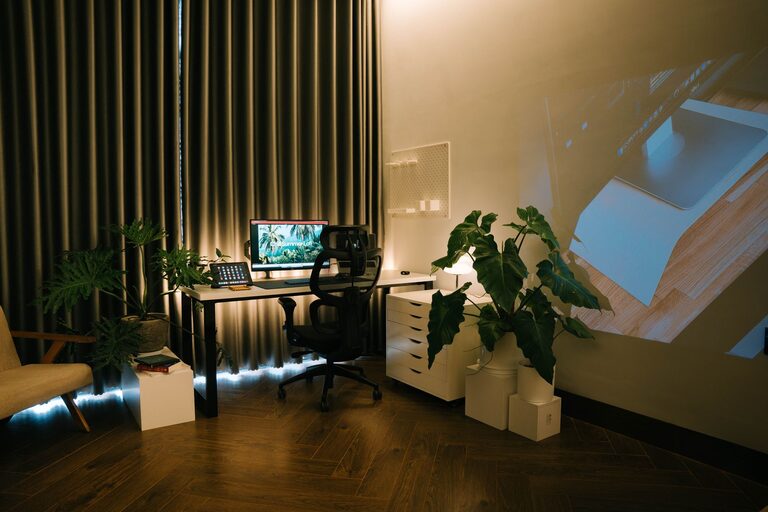
– Layered Lighting: Combine natural light with overhead and task lighting for flexibility.
– Position Your Screen Properly: The top of your monitor should be at or slightly below eye level to maintain good posture.
– Adjust Brightness: Ensure screen brightness matches room lighting to avoid glare.
Minimize Distractions
Creating a space free from common distractions helps maintain focus.
– Set Boundaries: If you share your home, communicate work hours and the importance of a quiet environment.
– Control Noise: Use noise-cancelling headphones or play soft background music if helpful.
– Limit Smartphone Use: Keep your phone on silent or in another room during focused work periods.
Personalize your Office Thoughtfully
While personalization makes the space inviting, moderation is key.
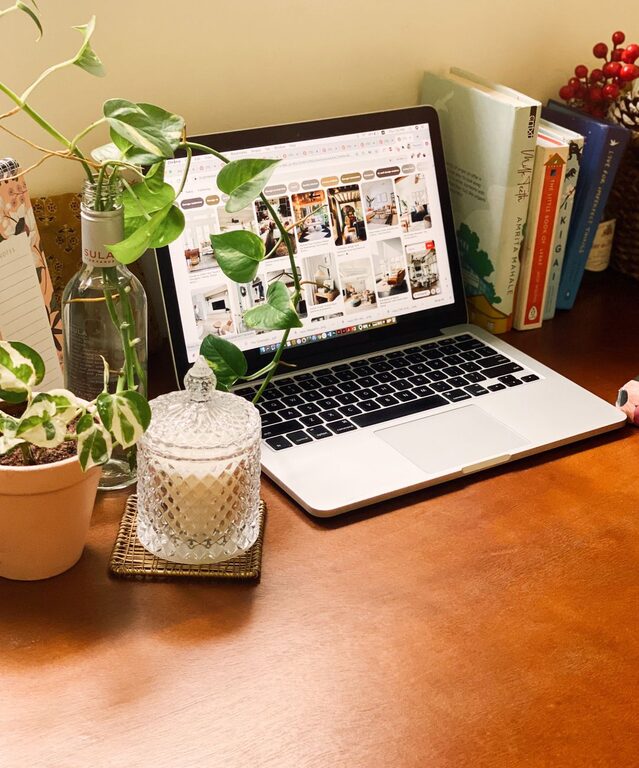
– Add Plants: Indoor plants can improve air quality and create a calming atmosphere.
– Incorporate Inspiring Art: Choose artwork or photos that motivate you without overwhelming the space.
– Use Calming Colors: Soft, neutral tones tend to be less distracting and promote focus.
Establish a Daily Routine
Your environment supports your productivity best when paired with a consistent routine.
– Set Work Hours: Define clear start and end times to balance work and personal life.
– Take Breaks: Schedule short breaks to stretch and rest your eyes.
– End-of-Day Ritual: Designate time to organize your desk and plan for the next day.
Maintain Good Technology Setup
Reliable technology is a cornerstone of an efficient home office.
– Fast Internet Connection: Ensure your internet speed supports video calls and cloud work.
– Use Quality Accessories: Invest in a good keyboard, mouse, and headset for comfort.
– Backup Solutions: Regularly save your work and consider cloud storage for easy access.
Keep Air Quality and Comfort in Check
A comfortable environment helps sustain focus and energy.
– Proper Ventilation: Open windows or use air purifiers to keep the air fresh.
– Control Temperature: Adjust your thermostat or use fans/heaters to maintain a comfortable temperature.
– Stay Hydrated: Keep a water bottle nearby to remind yourself to drink throughout the day.
—
Creating a productive home office is a combination of thoughtful planning, organization, and habits. By choosing the right location, investing in ergonomic furniture, managing lighting, and setting boundaries, you can build an environment that supports both your professional success and personal well-being. Try incorporating these tips to transform your home workspace into an efficient and comfortable area for work.
About the Author