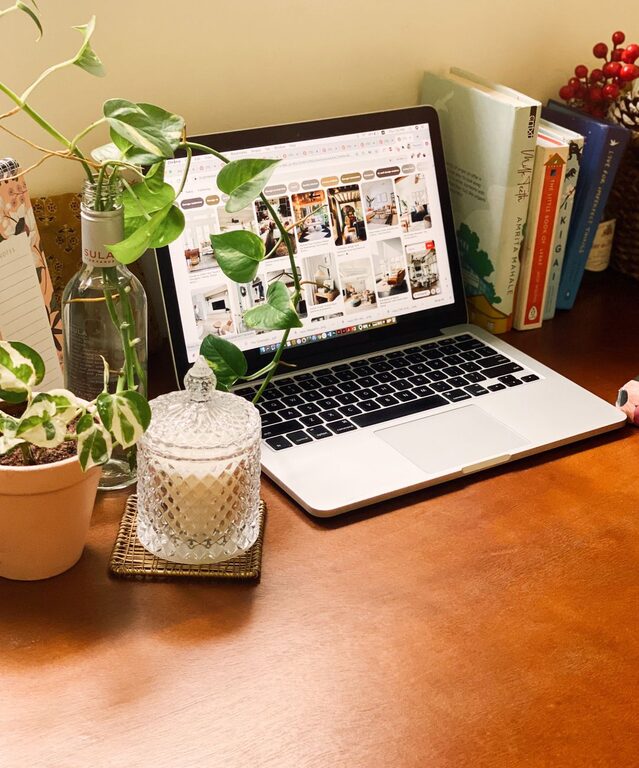

Creating a home workspace that is both productive and comfortable is essential for anyone working remotely or spending considerable time on projects at home. A well-designed workspace not only helps you stay focused but also supports your physical and mental well-being. In this post, we’ll explore practical tips on how to set up a home office that motivates you to do your best work, day after day.
1. Choose the Right Location
Selecting the right spot in your home is the first step to establishing an effective workspace.
– Find a quiet area: Look for a space with minimal distractions to help maintain focus.
– Consider natural light: Position your desk near a window if possible. Natural light can enhance your mood and reduce eye strain.
– Evaluate available space: Make sure there’s enough room for your desk, chair, and any necessary equipment.
2. Invest in Ergonomic Furniture
Comfort is key to staying productive, especially when you spend long hours at your desk.
– Ergonomic chair: Choose a chair that supports your spine’s natural curve. Adjustable height and armrests are a plus.
– Desk height: Your desk should allow your arms to rest comfortably at a 90-degree angle when typing.
– Foot support: If your feet don’t rest flat on the floor, consider a footrest to maintain good posture.
3. Organize Your Workspace for Efficiency
A clutter-free area can help reduce stress and improve workflow.
– Use storage solutions: Shelves, drawers, and organizers keep supplies tidy and within reach.
– Keep essentials nearby: Items you use frequently, like pens or notebooks, should be easily accessible.
– Minimize distractions: Remove unnecessary items that might divert your attention.
4. Optimize Lighting
Good lighting prevents eye strain and helps maintain alertness.
– Mix natural and artificial lighting: Use a combination of daylight and task lighting, like a desk lamp.
– Avoid glare: Position screens to reduce reflections from windows or overhead lights.
– Use adjustable lighting: Dimmable lamps or bulbs with adjustable color temperature can be helpful for different moods and times of day.
5. Personalize Your Space
Adding personal touches can make your workspace more inviting.
– Decorate thoughtfully: Use artwork, plants, or photos to create a positive environment.
– Incorporate greenery: Plants improve air quality and add a calming effect.
– Choose calming colors: Soft tones or your favorite colors can enhance your mood without being distracting.
6. Manage Technology Setup
A reliable and efficient tech setup supports productivity and minimizes frustration.
– Use high-speed internet: Ensure your connection is steady, especially for video calls and large file transfers.
– Organize cables: Use cable clips or sleeves to avoid tangles and a messy desk.
– Invest in quality peripherals: A good keyboard, mouse, and monitor can reduce strain and improve comfort.
7. Create Boundaries Between Work and Home Life
Separating your workspace from personal areas helps maintain balance.
– Define your work hours: Stick to a schedule to avoid burnout.
– Have a designated workspace: Avoid working on the couch or bed to reinforce “work mode.”
– Set rules with household members: Let others know when you’re working to minimize interruptions.
8. Incorporate Movement and Breaks
Regular breaks and movement are crucial for long-term comfort and productivity.
– Take short breaks: Get up and stretch or walk around every hour.
– Use a standing desk: Consider alternating between sitting and standing during the day.
– Practice simple exercises: Neck rolls, shoulder stretches, and wrist exercises combat stiffness.
9. Keep Your Workspace Clean
A clean workspace supports mental clarity and reduces the risk of germs.
– Wipe down surfaces regularly: Use disinfectant wipes for keyboards, mouse, and desk surfaces.
– Declutter frequently: Set aside time weekly to tidy and reorganize.
– Use air purifiers: If possible, to maintain a fresh and healthy environment.
Conclusion
Designing a home workspace that combines productivity and comfort is achievable with a few thoughtful changes. By prioritizing good lighting, ergonomic furniture, organization, and balance, you create an environment where you can focus and feel motivated. Remember that everyone’s needs are different, so customize your space in a way that suits your work style and preferences. With the right setup, your home office can become your favorite place to get things done.
About the Author