Creating a relaxing and productive workspace at home can make a big difference in how you approach your daily tasks. Whether you work remotely full-time or just occasionally, having a dedicated area that supports focus and calm can help boost your efficiency and reduce stress. Here are some practical tips to help you build a home workspace designed for both relaxation and productivity.
Why a Relaxing Workspace Matters
A cluttered or uncomfortable workspace can cause distractions and increase stress, reducing your ability to concentrate. Conversely, a well-thought-out area promotes motivation, creativity, and a positive mindset. When your environment feels peaceful, you’re more likely to stay on task and enjoy your workday.
Choose the Right Location
Find Natural Light
Whenever possible, select a spot that gets plenty of natural light. Sunlight improves mood and energy levels, which can directly impact your performance. Set your desk near a window to make the most of daylight, and consider adjustable blinds to manage glare.
Minimize Noise
Choose a quiet corner or room away from household distractions. If noise is unavoidable, try using noise-canceling headphones or white noise machines to create a calm auditory environment.
Prioritize Comfort and Ergonomics
Invest in a Good Chair
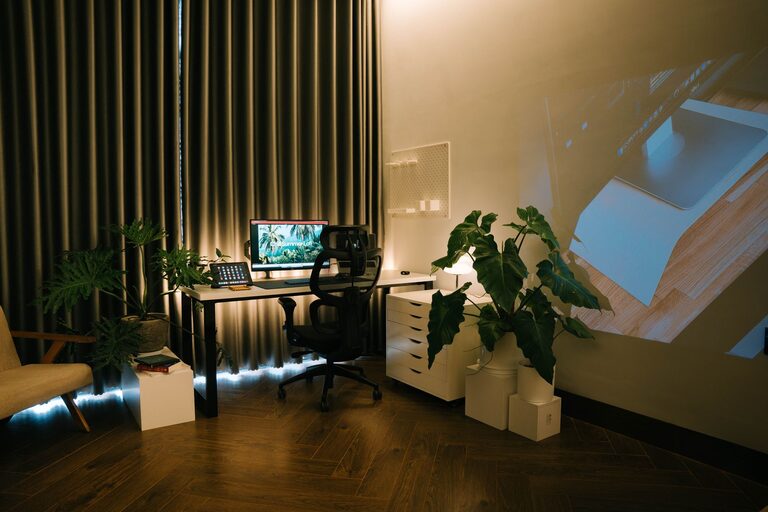
Comfortable seating is crucial. Look for an ergonomic chair that supports your back and encourages good posture. This can prevent discomfort and fatigue during long work sessions.
Adjust Your Desk Setup
Make sure your desk height allows your wrists to be straight and your elbows at about a 90-degree angle. Position your computer screen at eye level to avoid neck strain.
Add Soft Textures
Incorporate soft elements like a cushy rug, plush cushion, or cozy throw blanket. These can make your space feel inviting and reduce tension.
Declutter and Organize
Keep Essentials Handy
Limit items on your desk to what you use regularly. Pens, notebooks, and your computer should be within easy reach, while other items can be stored away.
Use Storage Solutions
Utilize shelves, drawers, or storage boxes to keep paperwork and supplies organized. A neat space promotes a clear mind.
Regularly Tidy Up
Make it a habit to straighten your workspace at the end of each day. Starting fresh each morning sets a productive tone.
Incorporate Calming Colors and Decor
Choose Soothing Colors
Opt for soft, neutral colors like light blues, greens, or greys. These hues tend to have calming effects and can help reduce stress.
Add Personal Touches
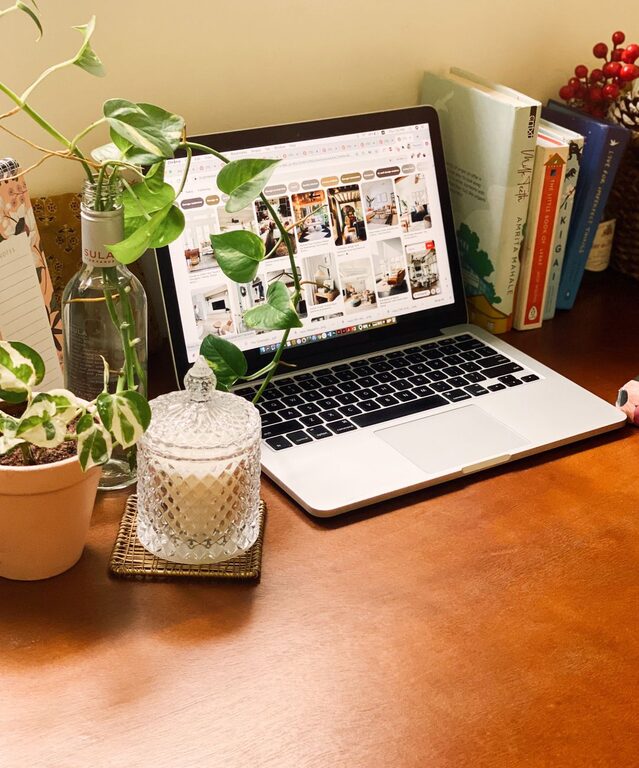
Include items that make you happy but don’t distract — a small plant, a framed photo, or minimal artwork. Personal touches make the space feel your own.
Use Plants for Freshness
Indoor plants improve air quality and add a sense of tranquility. Easy-care varieties like succulents or pothos work well in home offices.
Manage Technology Smartly
Reduce Screen Glare
Adjust monitor brightness or position to minimize eye strain. Consider blue light filters or glasses during extended screen time.
Organize Cables
Use cable organizers or clips to prevent tangled cords. A tidy workspace helps maintain focus.
Set Boundaries
Use tools or apps that limit distracting websites or notifications during work hours.
Incorporate Break Areas and Movement
Create a Break Spot
If space allows, have a small area with a comfortable chair or cushion where you can step away for mental breaks. Brief downtime improves productivity.
Stretch Regularly
Incorporate simple stretches or short walks to refresh your body and mind.
Maintain Good Lighting
Use Layered Lighting
In addition to natural light, use a combination of overhead lamps and task lighting. Adjustable lamps allow you to focus light where you need it most.
Choose Warm Light Bulbs
Warm white bulbs create a cozy atmosphere and reduce eye fatigue.
Keep Air Quality Fresh
Ventilate Your Space
Open windows when possible or use an air purifier to maintain clean air. Fresh air supports alertness and comfort.
Avoid Strong Scents
If using candles or diffusers, pick subtle scents to avoid overwhelming your senses.
Final Thoughts
Designing a relaxing home workspace doesn’t require a large budget or extensive remodeling. Simple changes like decluttering, adding plants, and choosing comfortable furniture can transform your environment. Ultimately, the goal is to create a space where you feel calm, focused, and ready to tackle your work with confidence.
By following these tips, you’ll be well on your way to enhancing your productivity while maintaining a peaceful and enjoyable work atmosphere at home.
About the Author